Little Gecko® welding carriages · Engineering, QC & worldwide export from Beijing, China
Home / Guides / Welding Automation Guides

Welding Automation Guides

Straight answers to the questions we get asked before a quote: which seams to automate first, which machine suits which joint, what the practical limits are, and what to prepare before you buy.

Start With the Seam

Four Guides, One Idea: Match the Machine to the Joint

Welding automation is not one product — it is a series of decisions about seam type, workpiece geometry and process. These guides walk through the decisions in the order a fabricator actually meets them.

How We Write These

Written From the Shop Floor, Not From a Keyword List

Every guide here comes from the questions buyers actually ask us — by email, on WhatsApp, and during factory visits. Where a machine is the wrong answer, we say so, because a carriage that does not fit your joint is a bad reference for both of us.
  • Practical limits stated plainly: plate thickness, diameter ranges, surface condition, process compatibility
  • Every recommendation is a real model in our range, with the reason it fits
  • Where manual welding still wins, we say that too
  • No invented case studies — ask us for test-weld videos of the model you are considering
Cannot find your question? Send it over. If it is a common one, it becomes the next guide — and you get the answer first, directly.
Ask a Welding Question
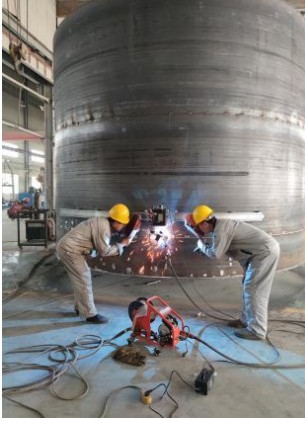
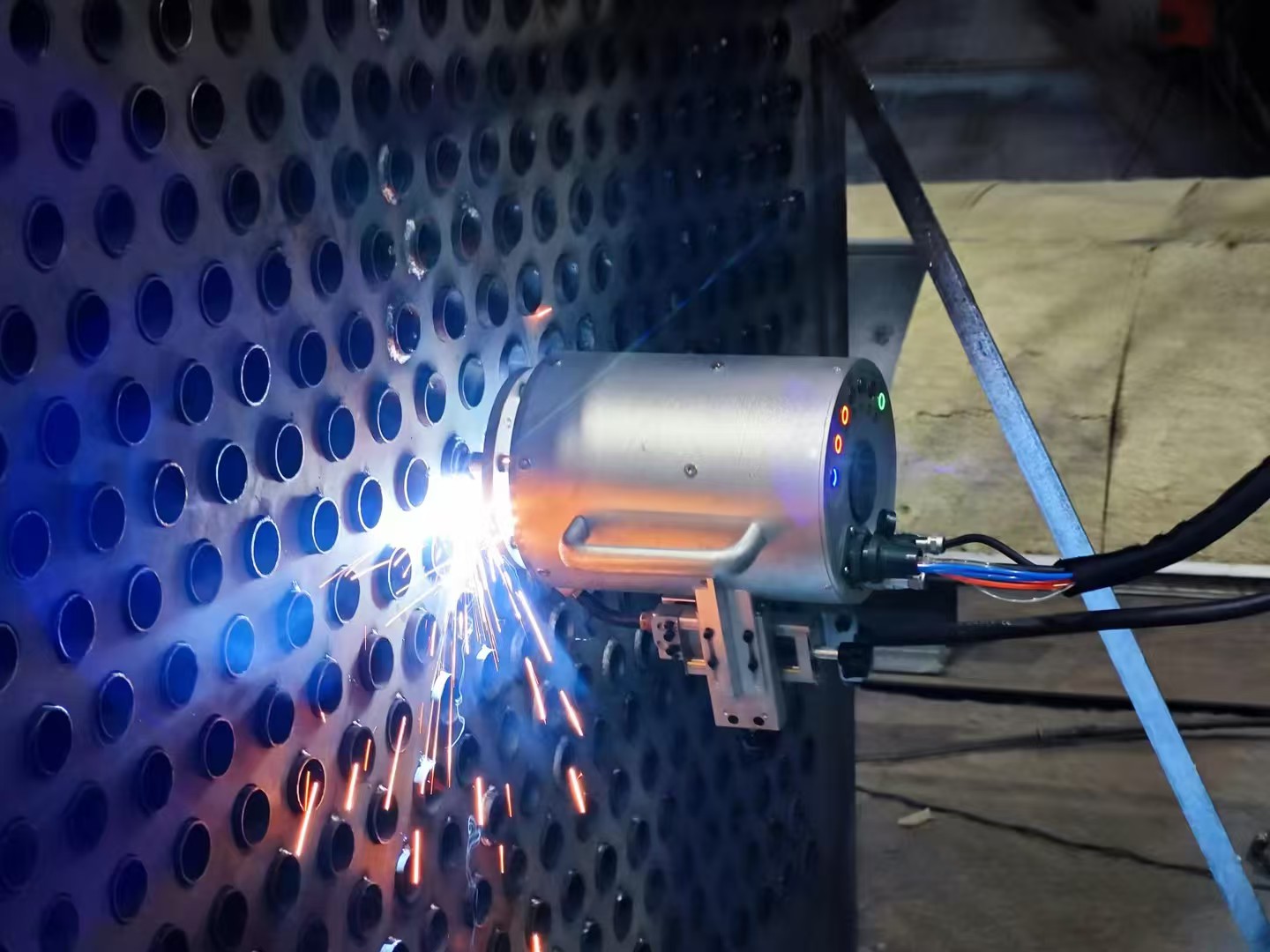
Welding carriages assembled and tested in our own workshop Tube-to-tubesheet automatic welding head in operation
FAQ

Questions We Get Asked Before the First Quote

Which seam should we automate first?
The one that repeats most and takes the longest. In tank work that is usually shell long seams; in steel fabrication, beam fillets; in heat exchangers, tube-to-tubesheet joints. Automating a seam you weld twice a month rarely pays back, whatever the machine costs.
Do we need to buy a new welding machine as well?
No. The carriages carry your existing torch and connect to your existing power source and wire feeder. What changes is the motion: constant travel speed and a constant torch angle instead of a hand.
Can the machine be customised for our workpiece?
Yes — track length, torch bracket, oscillation parameters, dual-torch configuration and special fixtures are all built to order. Send photos and sizes of the joint and we will specify it.
How long does delivery take?
Standard models ship quickly from stock; customised configurations take longer because they are built to order. Send your joint details and we will confirm the current lead time with the quotation.
Keep Reading

Product & Application Pages

Still Not Sure Which Machine Fits?

Describe the workpiece and the seam — we will tell you which carriage fits, and where manual welding is still the better answer.

Ask an Engineer